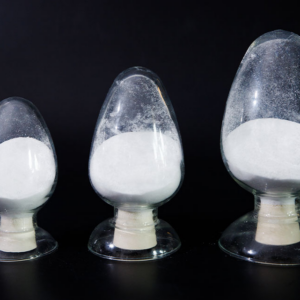

Tập trung vào Natri Nitrit & Tìm nguồn cung ứng Natri Nitrat cho ngành nhuộm
Ngành công nghiệp hóa chất của Ấn Độ được xác định bởi định hướng xuất khẩu cao và phụ thuộc nhiều vào nguyên liệu thô nhập khẩu, tạo ra rủi ro tiền tệ hai chiều trên toàn bộ chuỗi giá trị. Đối với các phân khúc thích hợp như sản xuất thuốc nhuộm – vốn phụ thuộc nhiều vào natri nitrit và natri nitrat nhập khẩu làm nguyên liệu sản xuất cốt lõi – biến động của đồng rupee Ấn Độ (INR) so với đồng đô la Mỹ tạo ra tác động bất đối xứng lên các tuyến thượng nguồn và hạ nguồn, với kết quả lợi nhuận rất khác nhau cho người chơi ở các giai đoạn khác nhau của ngành.
1. Mặt nhập khẩu nguyên liệu: Sự chuyển tải chi phí trực tiếp và thay đổi nhịp điệu nhập kho
Sự phụ thuộc tổng thể vào nhập khẩu nguyên liệu hóa học cơ bản của Ấn Độ gần như 50%. Đối với ngành thuốc nhuộm trong nước nói riêng, xung quanh 80% nguyên liệu nitrit quan trọng - bao gồm natri nitrit và natri nitrat cấp công nghiệp - có nguồn gốc từ Trung Quốc, với tất cả các giao dịch xuyên biên giới bằng đô la Mỹ. Do đó, biến động tỷ giá hối đoái chuyển trực tiếp và nhanh chóng thành chi phí mua sắm trên đất liền đối với người mua Ấn Độ..
- Trong chu kỳ giảm giá đồng rupee: Mọi 1% Sự sụt giảm của đồng rupee so với đồng đô la làm tăng chi phí nguyên liệu thô nhập khẩu bằng nội tệ lên mức tương ứng. 1%. Với việc đồng rupee mất giá khoảng 5% từ đầu năm đến nay ở 2026, chi phí nhập khẩu natri nitrit và natri nitrat tính bằng đồng rupee cho các nhà sản xuất thuốc nhuộm Ấn Độ đã tăng khoảng 5%. Các nhà sản xuất thuốc nhuộm vừa và nhỏ, với mức độ chấp nhận rủi ro hạn chế, thường phản ứng bằng cách trì hoãn kế hoạch bổ sung hàng, giảm khối lượng đặt hàng trên mỗi lô hàng, hoặc chuyển sang các lựa chọn thay thế trong nước cấp thấp hơn, dẫn đến nhu cầu nhập khẩu tạm thời giảm đi. Những người chơi trong ngành lớn hơn có thể phòng ngừa một phần rủi ro tiền tệ của họ thông qua các công cụ tài chính, nhưng họ vẫn có xu hướng áp dụng chiến lược tồn kho thận trọng hơn.
- Trong chu kỳ tăng giá đồng rupee: Đồng rupee mạnh hơn làm giảm chi phí nội địa của nguyên liệu nhập khẩu và nhanh chóng giải phóng nhu cầu nhập kho bị dồn nén trong toàn ngành. Ví dụ, đại khái 1.23% đồng rupee tăng giá kể từ đầu tháng 6 2026 đã thúc đẩy sự phục hồi rõ rệt về yêu cầu nguyên liệu thô từ các nhà sản xuất thuốc nhuộm ở Gujarat, tạo cơ hội thuận lợi cho các nhà cung cấp Trung Quốc như Juye Chemical để đảm bảo các đơn đặt hàng mới và chính thức hóa các hợp đồng cung cấp dài hạn.
Đáng chú ý, cho những sản phẩm có yêu cầu cao như 99.9% natri nitrit có độ tinh khiết cao - mà sản xuất trong nước của Ấn Độ không thể dùng làm chất thay thế khả thi - nhu cầu của người mua vẫn cứng nhắc ngay cả khi biến động tiền tệ không thuận lợi. Sản phẩm cấp công nghiệp cấp thấp hơn, ngược lại, phải đối mặt với áp lực thay thế lớn hơn từ năng lực trong nước và nhạy cảm hơn nhiều với sự biến động tỷ giá hối đoái.
2. Mặt xuất khẩu thành phẩm: Tác động ngược đến năng lực cạnh tranh toàn cầu và nhu cầu nguyên liệu thô gián tiếp
Ấn Độ được xếp hạng là nước xuất khẩu thuốc nhuộm lớn thứ ba thế giới, kế toán cho 28% giá trị xuất khẩu thuốc nhuộm toàn cầu. Khoảng 45–50% thành phẩm hóa chất của Ấn Độ được xuất khẩu sang thị trường nước ngoài và được định giá bằng đô la Mỹ, có nghĩa là hiệu suất tỷ giá hối đoái phản hồi lại nhu cầu nguyên liệu thô thông qua động lực của khu vực xuất khẩu.
- Đồng Rupee giảm giá giúp tăng khả năng cạnh tranh xuất khẩu: Đồng rupee yếu hơn trực tiếp làm giảm giá thuốc nhuộm và bột màu tính bằng đô la của Ấn Độ, cải thiện khả năng cạnh tranh về giá của họ trên thị trường toàn cầu và thúc đẩy tăng trưởng đơn hàng ở nước ngoài. Khi tỷ lệ sử dụng nhà máy tăng lên, tổng nhu cầu về nguyên liệu đầu nguồn bao gồm natri nitrit và natri nitrat cũng vậy. Đây là lý do cốt lõi tại sao xuất khẩu cả hai sản phẩm này của Trung Quốc sang Ấn Độ vẫn duy trì mức tăng trưởng hàng năm trên 30% TRONG 2026 bất chấp sự mất giá chung của đồng rupee: nhu cầu nguyên liệu thô gia tăng do mở rộng xuất khẩu tạo ra nhiều hơn bù đắp cho tác động tiêu cực của chi phí nhập khẩu cao hơn.
- Đồng Rupee tăng giá làm giảm đà xuất khẩu: Sức mạnh đồng Rupee được duy trì làm xói mòn lợi thế về giá ở nước ngoài của các sản phẩm hóa chất Ấn Độ. Khi kết hợp với nhu cầu thị trường cuối cùng toàn cầu yếu, điều này có thể dẫn đến mất đơn hàng, tỷ lệ hoạt động thấp hơn, và sự thoái lui trong hoạt động thu mua nguyên liệu thô ở thượng nguồn.
3. Lợi nhuận doanh nghiệp và cơ cấu ngành: Mở rộng sự khác biệt và tăng tốc hợp nhất
Biến động tỷ giá hối đoái mạnh làm tăng khoảng cách về khả năng phục hồi rủi ro của doanh nghiệp và đẩy nhanh quá trình tái cơ cấu toàn ngành.
- Phân kỳ lợi nhuận: Các doanh nghiệp định hướng xuất khẩu thuần túy có khả năng tự cung cấp nguyên liệu thô trong nước cao - đặc biệt là các nhà sản xuất hóa chất đặc biệt - nhận thấy mức tăng lợi nhuận rõ ràng nhất từ việc đồng rupee giảm giá. Doanh nghiệp vừa và nhỏ tập trung vào thị trường nội địa, phụ thuộc nhiều vào nhập khẩu, ngược lại, phải đối mặt với độ trễ thời gian tự nhiên trong việc chuyển chi phí tăng lên ở hạ lưu, điều này làm giảm đáng kể tỷ suất lợi nhuận gộp và thậm chí có thể dẫn đến thua lỗ và cắt giảm sản xuất. Hầu hết các nhà sản xuất thuốc nhuộm đều rơi vào giữa hai thái cực này, với lợi nhuận xuất khẩu bù đắp một phần chi phí nhập khẩu cao hơn. Tác động ròng phụ thuộc vào mức độ tiếp xúc xuất nhập khẩu ròng của mỗi công ty và khả năng phòng ngừa rủi ro ngoại hối.
- Sự tập trung của ngành: Các nhà sản xuất và kinh doanh thuốc nhuộm quy mô vừa và nhỏ không có khả năng tiếp cận các công cụ phòng ngừa rủi ro có nhiều khả năng phải đối mặt với áp lực dòng tiền trong thời kỳ tỷ giá hối đoái biến động cao, và trong trường hợp cực đoan có thể thu hẹp quy mô hoạt động hoặc rời khỏi thị trường. Doanh nghiệp hàng đầu, ngược lại, có thể duy trì hoạt động ổn định thông qua lợi thế quy mô và cơ chế khóa giá dài hạn, tận dụng sự suy thoái của thị trường để giành thêm thị phần và thúc đẩy việc hợp nhất ngành đang diễn ra.
4. Tác động lan tỏa tới lạm phát và chính sách tiền tệ: Tác động đến việc mở rộng công suất dài hạn
Đồng Rupee mất giá đẩy giá hàng công nghiệp trong nước tăng cao do chi phí nhập khẩu cao hơn, tăng thêm áp lực làm lạm phát CPI tổng thể. Nếu lạm phát vi phạm Ngân hàng Dự trữ Ấn Độ 6% dải dung sai trên, ngân hàng trung ương có thể áp dụng chính sách tiền tệ thắt chặt hơn bao gồm cả việc tăng lãi suất, tăng chi phí tài chính doanh nghiệp và trực tiếp làm giảm các kế hoạch mở rộng và đầu tư công suất mới trong toàn ngành hóa chất.
Tính đến tháng 5 2026, Lạm phát CPI của Ấn Độ đứng ở mức 3.93%, nằm trong phạm vi mục tiêu chính thức 2–6%. Chính sách tiền tệ vẫn mang tính hỗ trợ rộng rãi, và chu kỳ mở rộng công suất đang diễn ra trong lĩnh vực thuốc nhuộm không bị gián đoạn đáng kể, hỗ trợ nhu cầu ổn định trong trung và dài hạn đối với nguyên liệu đầu nguồn.
5. Ý nghĩa đối với các nhà xuất khẩu hóa chất Trung Quốc
Đối với các nhà cung cấp như Juye Chemical, điều chỉnh chiến lược cung ứng phù hợp với biến động tiền tệ giúp phục vụ khách hàng ngành nhuộm Ấn Độ tốt hơn:
- Trong thời gian ngắn, Sự tăng giá nhẹ hiện tại của đồng rupee tạo ra cơ hội để chủ động theo dõi nhu cầu bổ sung hàng từ các khách hàng thuốc nhuộm ở Gujarat. Thúc đẩy các đơn đặt hàng số lượng lớn và các hợp đồng dài hạn hàng quý về natri nitrit và natri nitrat có thể giúp khách hàng chốt chi phí mua sắm và cải thiện chuyển đổi đơn hàng.
- Dành cho nhà sản xuất thuốc nhuộm hàng đầu, Juye Chemical cung cấp khung báo giá linh hoạt và mô hình hợp tác khóa giá lâu dài cho natri nitrit và natri nitrat cấp công nghiệp, giảm bớt mối lo ngại của khách hàng về biến động tiền tệ và đảm bảo ổn định, quan hệ đối tác lâu dài. Đối với khách hàng nhỏ hơn, chúng tôi hỗ trợ lô nhỏ, kế hoạch cung cấp đa giao hàng để giảm bớt áp lực về vốn và hàng tồn kho.
- Việc theo dõi liên tục dữ liệu xuất khẩu thuốc nhuộm của Ấn Độ giúp định hướng chiến lược. Tăng trưởng xuất khẩu mạnh mẽ sẽ duy trì nhu cầu nguyên liệu thô ngay cả trong giai đoạn đồng Rupee giảm giá; sự sụt giảm rõ rệt trong xuất khẩu, ngược lại, kêu gọi chủ động điều chỉnh chiến lược tồn kho và giá cả.